


Learning how to turn your passion into a thriving online business starts with something simple: picking an interest you’d stay excited about for years, like fishing.
Most people spend their lives working jobs that pay the bills but drain their energy. According to Intuit QuickBooks’ 2026 Entrepreneurship Study, nearly one in two Americans earned income from a side hustle this year. Most start of financial necessity rather than passion these days, but the ones who build around something they genuinely love tend to stick with it longer, simply because they actually want to keep showing up.
You don’t need to be an expert or tech-savvy. You need a passion, a plan, and the willingness to start.
This Guide uses fishing as the example throughout, since it’s a hobby with a genuinely huge, active online audience, but the same approach works for any interest you want to build around.
Key Takeaways
- A passion-driven business gives you a reason to keep going when growth is slow.
- Narrowing your passion into a specific angle helps you stand out and attract the right audience.
- Your website is where trust gets built; keep it simple and focused.
- Monetisation works best when it fits naturally into content people already trust.
- Consistency, not perfection, is what turns a hobby into an income.
How to Turn Your Passion Into a Thriving Online Business
Plenty of people chase whatever niche looks most profitable on paper, then burn out six months in because they never actually cared about the topic.
Building around something you’re already drawn to changes that. You’ll naturally notice more, ask better questions, and keep producing content long after the initial motivation wears off, which is exactly when most online businesses quietly fail.
Fishing works particularly well as an example here. It’s a hobby people stay engaged with for decades, it has endless sub-topics to explore, and the gear side of it alone supports a genuinely large online market.
Choosing Your Specific Angle
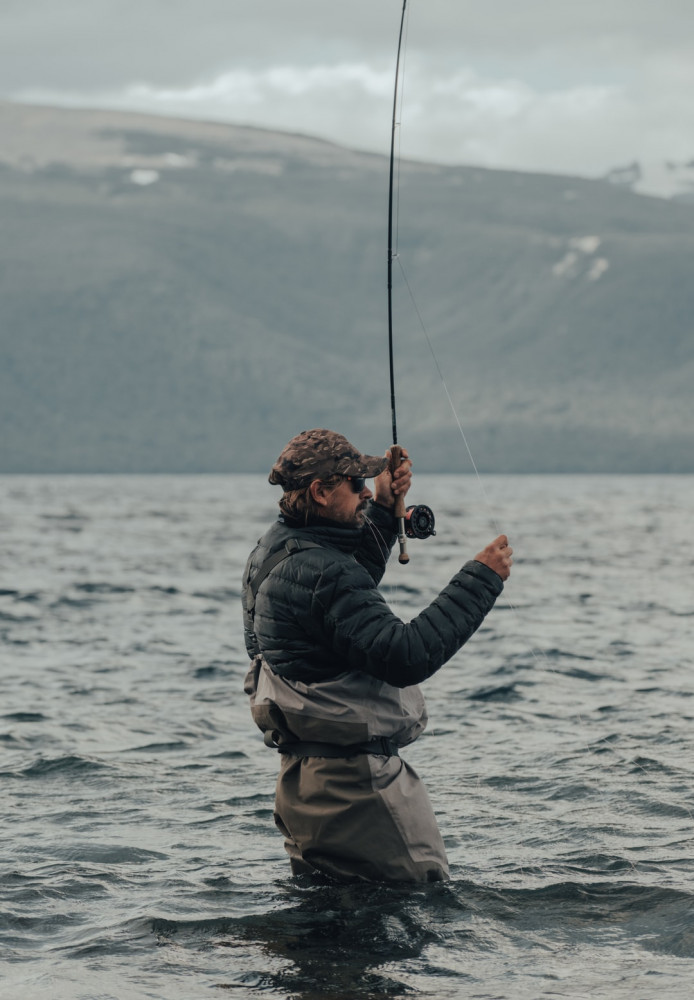
“Fishing” on its own is too broad to build a focused audience around. The stronger move is picking a specific angle within it, for example:
- Fly-fishing techniques for trout
- Saltwater fishing for beginners
- Kayak fishing gear and setups
- Ice fishing for first-timers
A focused angle like this makes your content more valuable to the exact people searching for it, and it gives you a clear direction for every piece you publish.
Use tools like Google Trends or a keyword tool like Jaaxy to check whether people are actually searching for your chosen angle before committing to it.
Creating Content That Builds Trust
For a fishing site, that might mean honest gear reviews, beginner tutorials on casting or knot-tying, personal trip stories, or “best of” gear roundups for your chosen angle.
Keep it easy to read: headings, bullet points, short paragraphs, and images throughout. Your goal is simple: help people solve a real problem they came searching for.
For a deeper look at structuring content itself, What Is the Best Way to Learn About Affiliate Marketing covers the fundamentals step by step, and What Is the Best Affiliate Marketing Training breaks down what proper training actually teaches you.
Turning Your Passion Into Income
This is where fishing specifically has an advantage: the gear market is huge, and there are dedicated affiliate programs built for it rather than generic catch-all networks.
A few worth knowing for a fishing niche:
- Bass Pro Shops / Cabela’s, broad inventory and strong brand recognition, commissions generally in the low single digits
- Tackle Warehouse, higher commission rates and a focused catalog favored by serious bass anglers
- Garmin, strong commissions specifically on fish finders and marine electronics
- Amazon Associates, useful for the sheer range of gear, even if commission rates run lower
The same principle applies: whatever your passion turns out to be, look for programs built specifically for that niche before defaulting to generic ones; the niche-specific programs usually convert better because the audience already trusts the brand.
You don’t need to “sell.” You need to help.
Growing From Here
Growth takes time, but consistency pays off. Share your content on social platforms where your audience already spends time, start building an email list early, and answer questions in fishing forums and communities where your future readers are already asking them.
The more genuine value you provide, the more your audience grows on its own.
Final Takeaway
Turning a passion like fishing into an online business isn’t a dream; it’s a process, and now you’ve got the roadmap. Start with a focused angle, build a simple home for your content, monetise it honestly, and stay consistent. The rest follows from there.

Frequently Asked Questions
Can I really turn a hobby like fishing into a full income?
Yes, though it usually starts as a side income before it can replace a full-time job. Fishing specifically supports this well thanks to its dedicated gear market and affiliate programs.
Do I need to be an expert in my passion to start?
No. You need genuine interest and a willingness to keep learning and sharing as you go, expertise builds over time through the content itself.
How niche should I go?
Narrower than you’d think. “Fly-fishing for trout” will get you further than “fishing” on its own, since it’s easier to stand out and rank for.